

Temperature Measurement with a Thermocouple
Using a thermocouple is one of the most reliable and simplest methods of temperature measurement. A thermocouple can be thought of as two metal wires of different composition, joined together at one end (for example, by welding). If this junction is exposed to the measured temperature, a thermoelectric voltage appears between the wires at the other end of the thermocouple (the cold junction). The magnitude of the voltage depends on the measured temperature.
Thermocouples are contact sensors. To measure the temperature, the thermocouple must be inserted into the measured medium. If the environment is chemically aggressive, this can negatively affect the sensor’s lifespan. By choosing a suitable sheath (mechanical design), we can ensure long service life and functionality of the thermocouple.



Thermocouple Mechanical Design
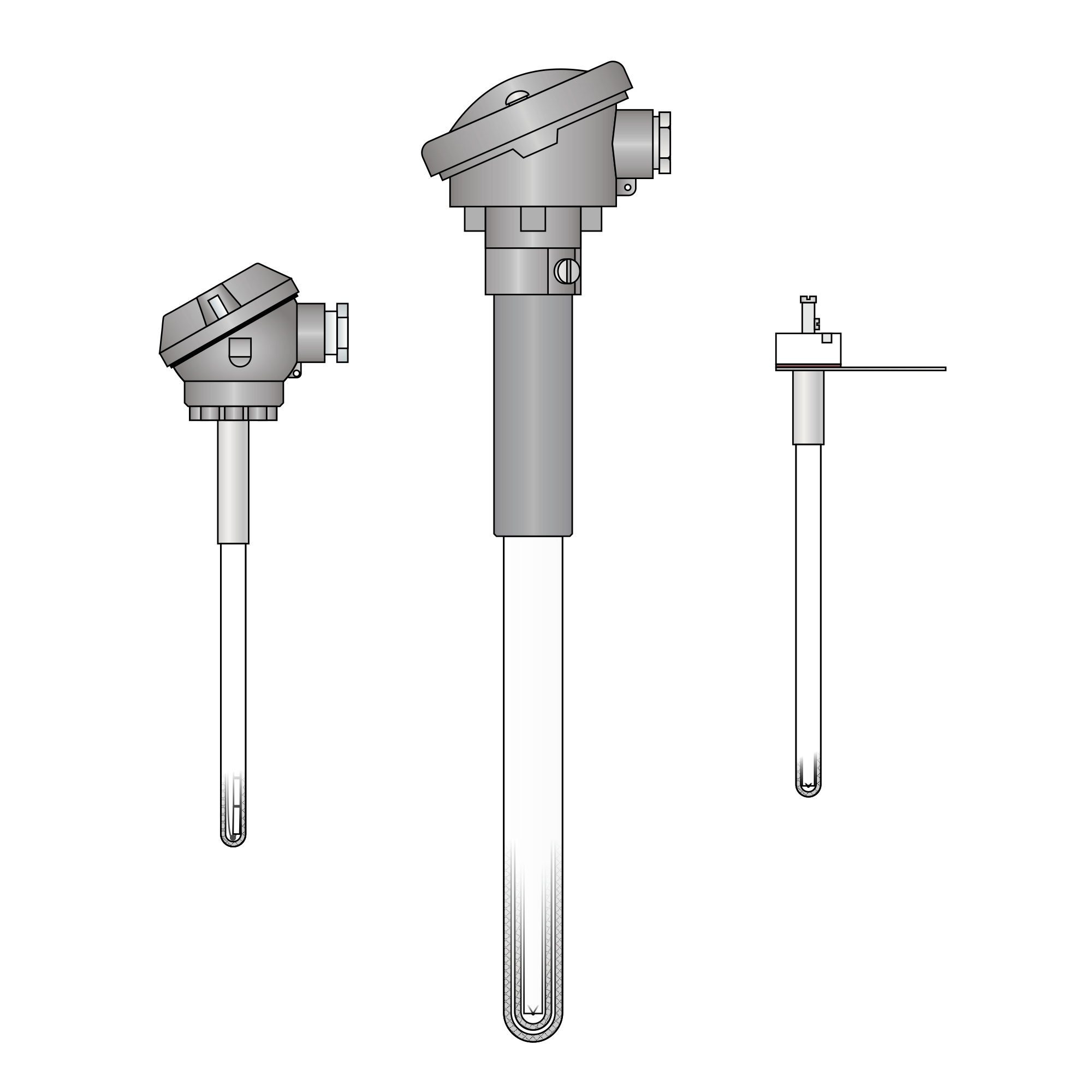
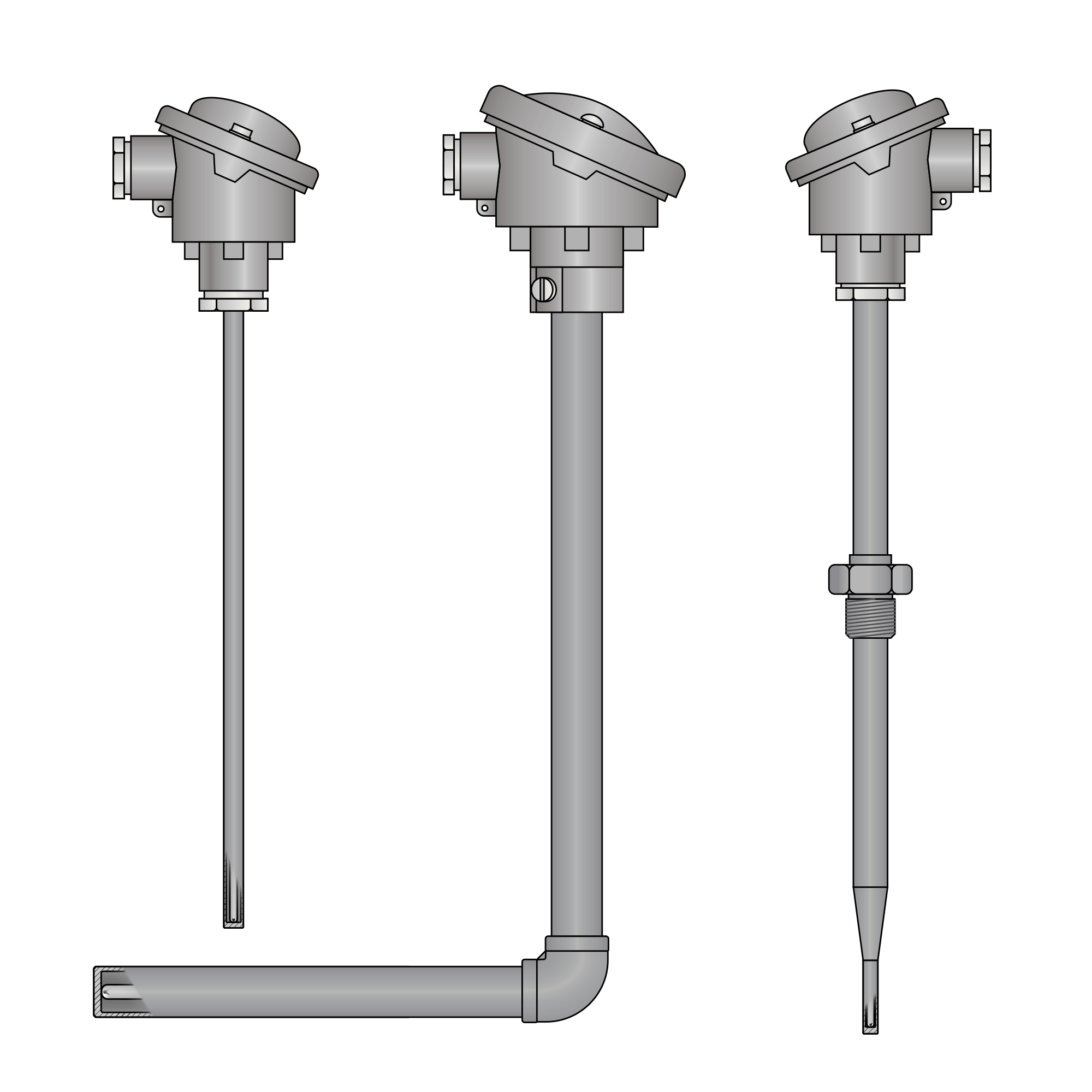
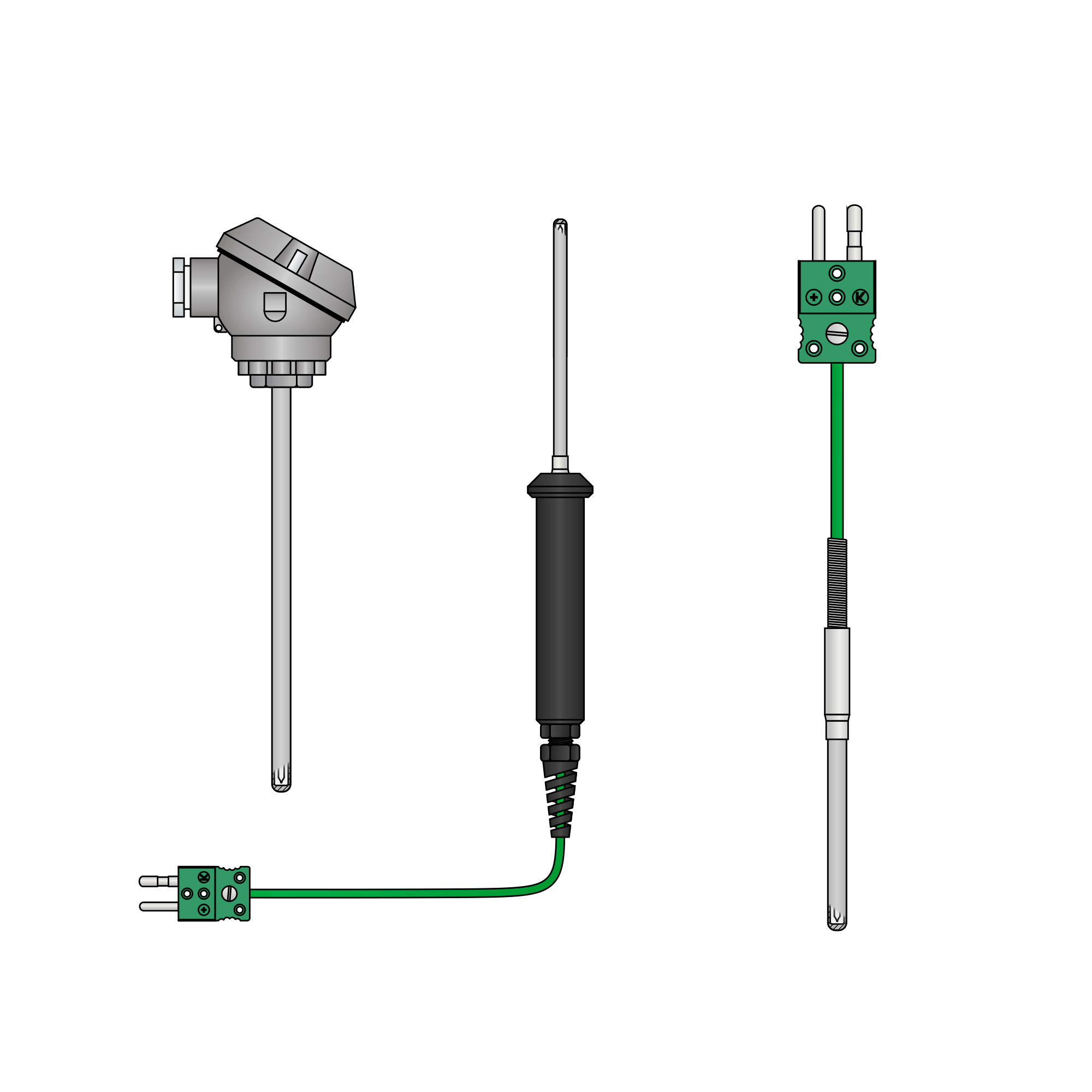
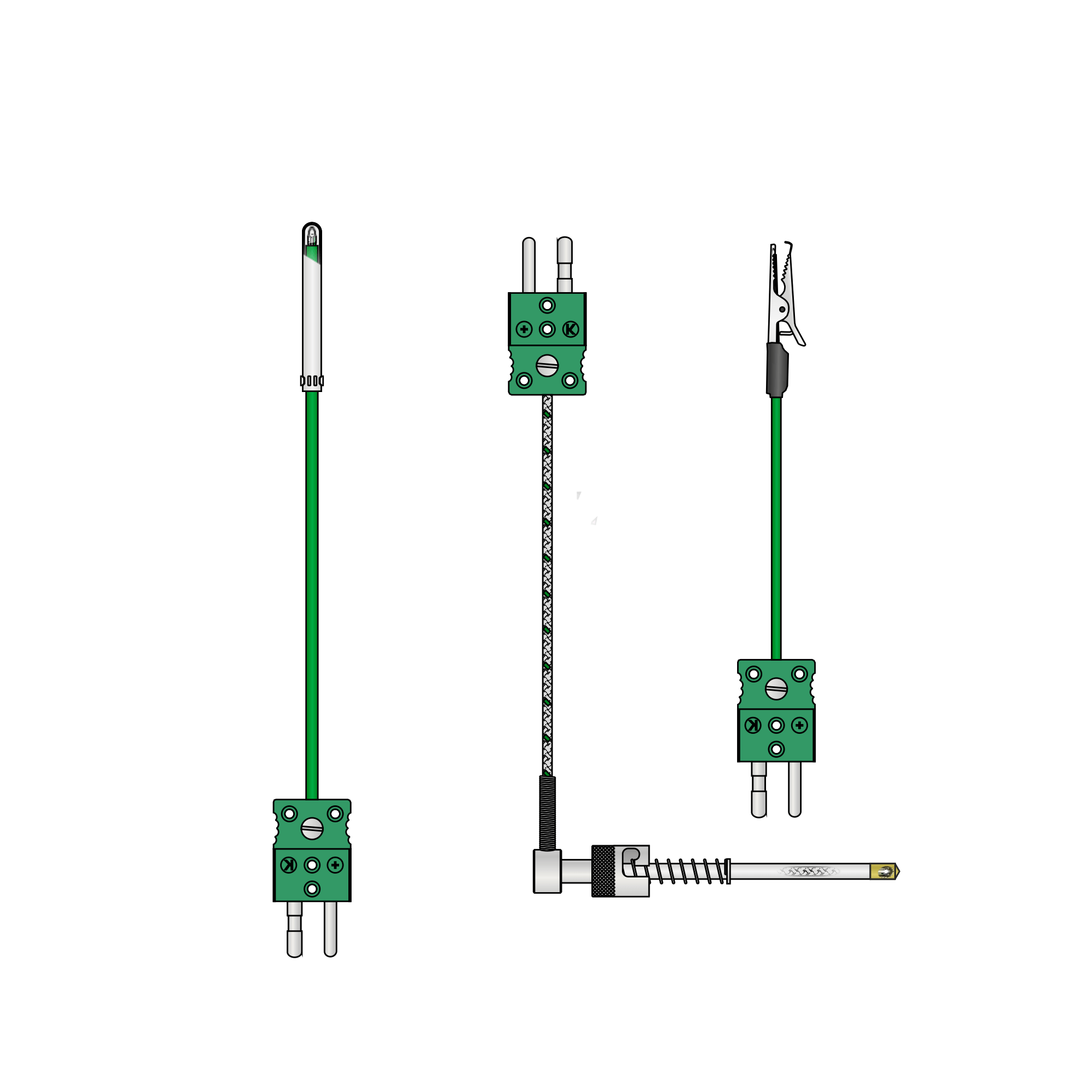
Why buy a thermocouple from us?
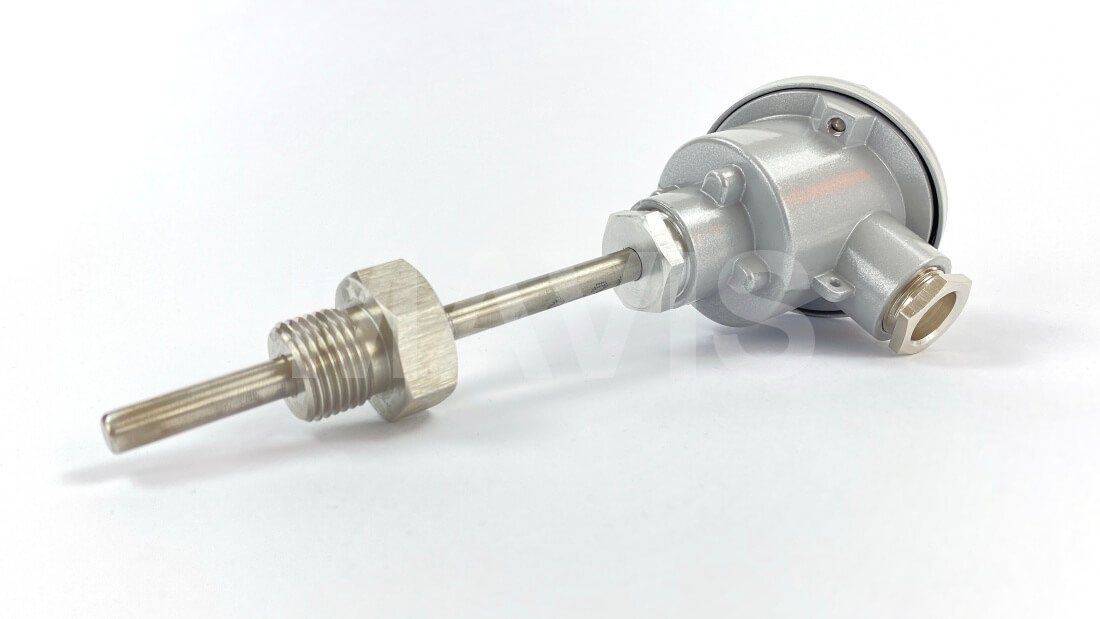
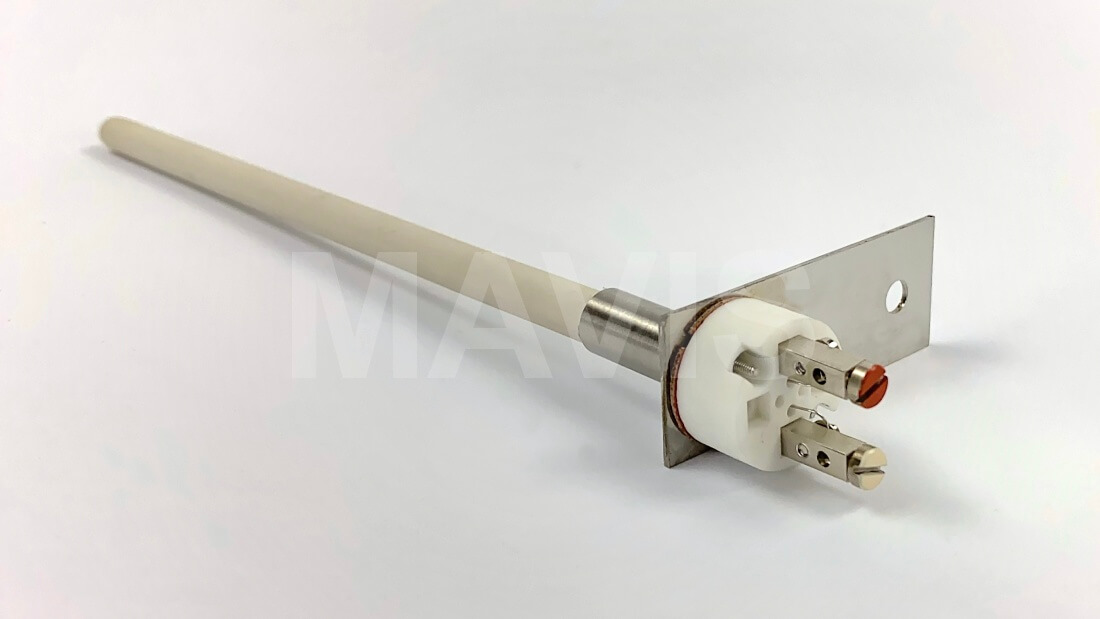
Wide selection of mass-produced sensors
Help choosing the most suitable design
Fast delivery times
Manufacturing with an emphasis on quality
Production of atypical designs (custom-made) in any quantity
Extensive range of accessories and cables
Manufacturing takes place in the Czech Republic
Possibility of accredited calibration
Possibility of post-warranty repairs
Frequently Asked Questions
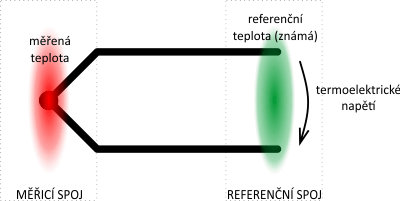
A thermocouple stands out from other temperature sensors due to its durability, wide measuring range, and fast response to temperature changes.
Thermocouples can be divided into base metal thermocouples and noble metal thermocouples. Noble metal thermocouples are more expensive, more stable, and more suitable for measuring high temperatures. Most thermocouples are described in standard ČSN EN 60584-1 ed. 2. The most commonly used base metal thermocouple types are J, K, and N, and the noble metal types are S, R, and B.
Thermocouples are divided into accuracy classes according to standard ČSN EN 60584-1 ed. 2. Typically, 3 accuracy classes are defined for each thermocouple type, labeled 1, 2, and 3. Class 1 achieves the smallest deviations from the reference value, but usually at the expense of the temperature range. The maximum deviation values from the reference curve across the entire temperature range are approximately 1.5 … 9 °C for base metal thermocouples and approximately 1 … 4 °C for noble metal thermocouples.